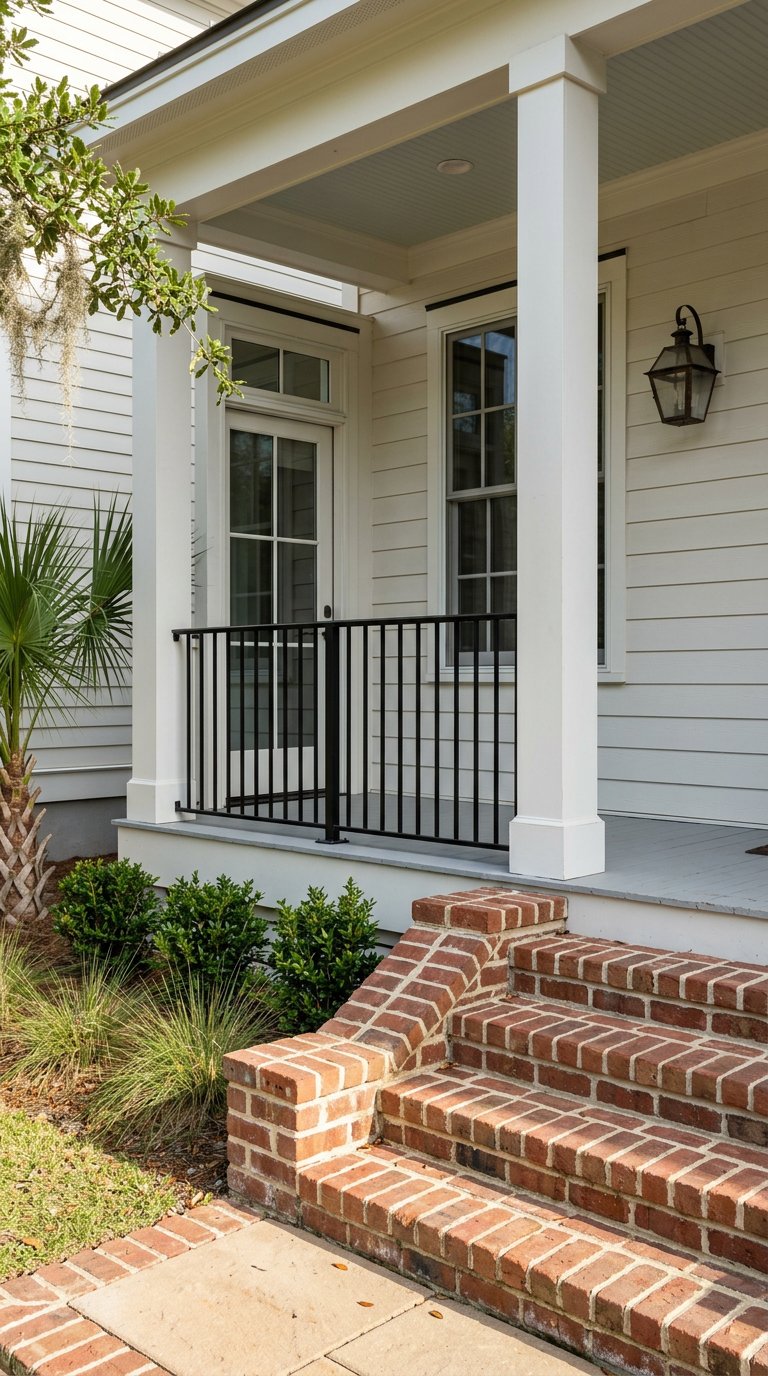
Torn between the romance of a porch-wrapped Pawleys cottage and the ease of a fresh, elevated coastal build? You are not alone. On this barrier island, style is more than curb appeal; it affects daily living, maintenance, permitting, and insurance. In this guide, you will compare both paths in plain language and leave with a clear checklist to make a confident choice. Let’s dive in.
Pawleys context and market
Pawleys Island is a small barrier-island town on the Waccamaw Neck that prioritizes its historic summer-resort character and the distinctive “Pawleys Island Look.” The town’s comprehensive plan underscores preservation and resilience as guiding themes for growth and rebuilding. You will feel that focus in everything from architectural standards to beach renourishment priorities. The comprehensive plan outlines this vision.
Market snapshots for ZIP 29585 can swing month to month because the number of closed sales is small. Public sources like Zillow have shown average values near the low to mid $500s as of late 2025, while the Coastal Carolinas Association of REALTORS notes that percent changes look exaggerated due to limited transactions. For a timely pulse, review the latest CCAR local market update and cross-check with your agent.
Hallmarks of classic Pawleys cottages
Traditional Pawleys cottages reflect Lowcountry coastal design: raised wood-frame structures, steep roof pitches with dormers, deep wraparound porches, exposed rafter tails, and double-hung windows that invite cross-breezes. These details evolved for shade and ventilation and now define the island’s identity. The town’s ARB Design Guidelines capture the look and the intent behind it. You can review the specific elements in the ARB Design Guidelines.
With that character comes stewardship. Many older cottages are all-wood on pilings, which means routine exterior painting, porch and deck upkeep, and active termite prevention. Formosan termites are present in coastal South Carolina, so inspections and bonds matter. For background, see Clemson’s guidance on regional termite pressure and control best practices at Clemson HGIC.
Finally, note the nuance around “historic.” While the Pawleys Island Historic District is on the National Register, the town’s plan notes limited local demolition protections as of 2023. Always confirm what is protected, what is not, and what ARB review would require before planning exterior changes.
What newer coastal builds deliver
New construction in and around Pawleys typically offers larger conditioned interiors, open kitchen-living cores, multiple full baths, and storage that suits modern routines. You also see flood-smart construction like elevated mechanicals, engineered foundations, impact-rated openings, and low-maintenance cladding such as fiber-cement siding and metal roofing. These choices aim to reduce ongoing upkeep while improving resilience.
Every new home must meet current codes. Georgetown County enforces the 2021 International Residential Code with state modifications for one- and two-family homes, and Pawleys requires ARB review for island construction. Factor design submissions, fees, and permitting into your timeline. Start with Georgetown County’s Building Department for code context.
Coastal materials also need corrosion protection. Fasteners and connectors near salt air should be specified for chloride exposure. FEMA’s technical bulletin on corrosion is a useful primer. Review FEMA’s TB-8 corrosion guidance when you discuss specs.
For wind mitigation, many owners pursue IBHS FORTIFIED elements and South Carolina’s SC Safe Home grants. These programs can reduce wind premiums and offset retrofit costs. Explore SC Safe Home and regional incentives listed by IBHS FORTIFIED.
Flood and resilience checks
On a barrier island, flood risk is parcel specific. The Town notes that much of Pawleys lies in Special Flood Hazard Areas and encourages buyers to request elevation certificates early in due diligence. Start with the town’s resources for guidance and next steps at Pawleys Island Flood Information.
For long-term planning, regional studies point to marsh sensitivity and future inundation in nearby areas. NOAA’s Digital Coast offers mapping tools that help visualize potential sea-level scenarios. Familiarize yourself with NOAA Digital Coast resources as you weigh long-hold choices.
Insurance is also property specific. Obtain quotes for homeowners, flood, and any required wind coverage prior to making an offer, and ask carriers about credits for FORTIFIED roofs or qualified retrofits under SC Safe Home.
Daily living: plan and feel
Cottages center life on deep porches, breezes, and cozy, compartmentalized rooms. Many are one to one-and-a-half stories with dormers or lofts, fewer en-suite baths, and a slower indoor-outdoor rhythm that fits the island’s historic vibe. If you love storytelling architecture and porch sitting, a cottage resonates.
Newer homes emphasize open-concept living, large kitchens, multiple suites, and utility spaces that streamline beach life. You will find more conditioned square footage and modern systems designed around convenience, storage, and tech.
Upkeep and costs
Expect more frequent painting and selective wood repair on original cottages, plus active termite prevention and routine deck and porch assessments. Roof upkeep varies by age and material. A well-stewarded cottage can run smoothly, but you should budget for hands-on care or a reliable local maintenance plan.
New builds that use fiber-cement siding, composite decking, and standing-seam metal roofs typically stretch repaint and replacement cycles. Even so, coastal homes require regular cleaning of salt deposits and periodic checks of HVAC and mechanicals, especially when units are near ground level.
ARB rules in plain language
Pawleys Island’s Architectural Review Board exists to preserve the “Pawleys Look.” That means minimum roof pitches, porch depth targets, and guardrails on materials and massing. Exterior changes often require ARB review, and new homes must be designed by qualified professionals. Read the requirements in the ARB Design Guidelines and plan your timeline accordingly.
Quick compare: cottage vs new build
| Aspect | Historic-style cottage | New construction |
|---|---|---|
| Style and feel | Authentic Lowcountry character; porch-forward living | Clean-lined, larger interiors; turnkey convenience |
| Layout | Cozier rooms, sleeping lofts/dormers, fewer en-suites | Open kitchen-living cores, multiple suites, ample storage |
| Materials | Wood framing and siding, original porch millwork | Fiber-cement, metal roofs, impact windows, composite decking |
| Upkeep | Regular painting, wood repairs, termite protection | Longer repaint cycles, lower exterior upkeep; still routine checks |
| Resilience | Retrofit-friendly: roof upgrades, opening protection, HVAC elevation | Built to modern codes; easier path to FORTIFIED elements |
| Approvals | ARB review for exterior changes; historic character considerations | ARB design submission required; full permitting and code review |
Your decision framework and checklist
Use this simple flow to match your goals with the right path:
- Define how you will use the home.
- Full-time living: you may value character and outdoor space, but modern systems and efficient layouts can improve comfort year round.
- Part-time or second home: low maintenance and turnkey convenience rise in importance.
- Request key documents early.
- Elevation certificate, any ARB approvals or meeting minutes, recent major repairs, and any SC Safe Home or FORTIFIED documentation. The town’s page explains flood documents and certificates at Pawleys Island Flood Information.
- Hire coastal-experienced inspectors.
- General home inspector, termite/WIR (CL-100) specialist, and for cottages a contractor familiar with historic fabric. For new homes, consider a wind-mitigation reviewer and mechanical/HVAC specialist. See termite context at Clemson HGIC.
- Get insurance quotes before you offer.
- Price homeowners, flood, and wind if applicable. Ask about credits for a FORTIFIED roof and other mitigation. Check grant eligibility at SC Safe Home.
- Love the cottage but want convenience?
- Plan a phased retrofit: roof strengthening and secondary water barrier, opening protection, HVAC relocation or elevation, and termite protection. Grants or discounts may help and can aid future resale.
- Leaning new build?
- Seek early ARB feedback on design, materials, and second-floor limits. Confirm your builder’s coastal credentials and corrosion-resistant specifications. For code context, see Georgetown County’s Building Department.
Three immediate steps:
- Request the elevation certificate and recent ARB minutes for any property you like. Start with the town’s flood resources.
- Obtain at least two insurance quotes and ask each carrier which mitigation upgrades reduce premiums. Explore SC Safe Home.
- Ground your price perspective with a current local snapshot. Review the CCAR market update and discuss street-specific comps with your agent.
Ready to move with confidence?
Whether a porch-swing morning on a century-old cottage or the lock-and-leave ease of a modern coastal home speaks to you, the right choice balances soul, systems, and site-specific risk. If you want a calm, deeply local partner to navigate ARB standards, due diligence, and negotiation, we are here to help. Reach out to Mariah Johnson & Hampton Roberts for a personalized consultation grounded in decades of Pawleys Island expertise.
FAQs
Are historic Pawleys cottages insurable?
- Insurability depends on the specific parcel, elevation, and condition. Retrofits like roof strengthening, opening protection, and FORTIFIED upgrades can improve options. Obtain written quotes early and ask about credits under SC Safe Home.
How do cottage maintenance costs compare to new builds?
- Original wood siding, porch millwork, and older mechanicals often mean higher recurring upkeep for cottages, while fiber-cement, composite decking, and metal roofing on new builds typically reduce exterior maintenance. Termite protection is essential island-wide; see Clemson HGIC.
Does the ARB prevent me from modernizing a cottage?
- No. The ARB ensures changes fit the Pawleys Look. Many renovations are approved when massing and porch proportions are respected and systems are upgraded. Review expectations in the ARB Design Guidelines.
What flood due diligence should I do on Pawleys Island?
- Request the elevation certificate, confirm the FEMA flood zone, and review the town’s resources. Consider long-term resilience using NOAA Digital Coast tools and get property-specific flood and wind quotes before you offer.