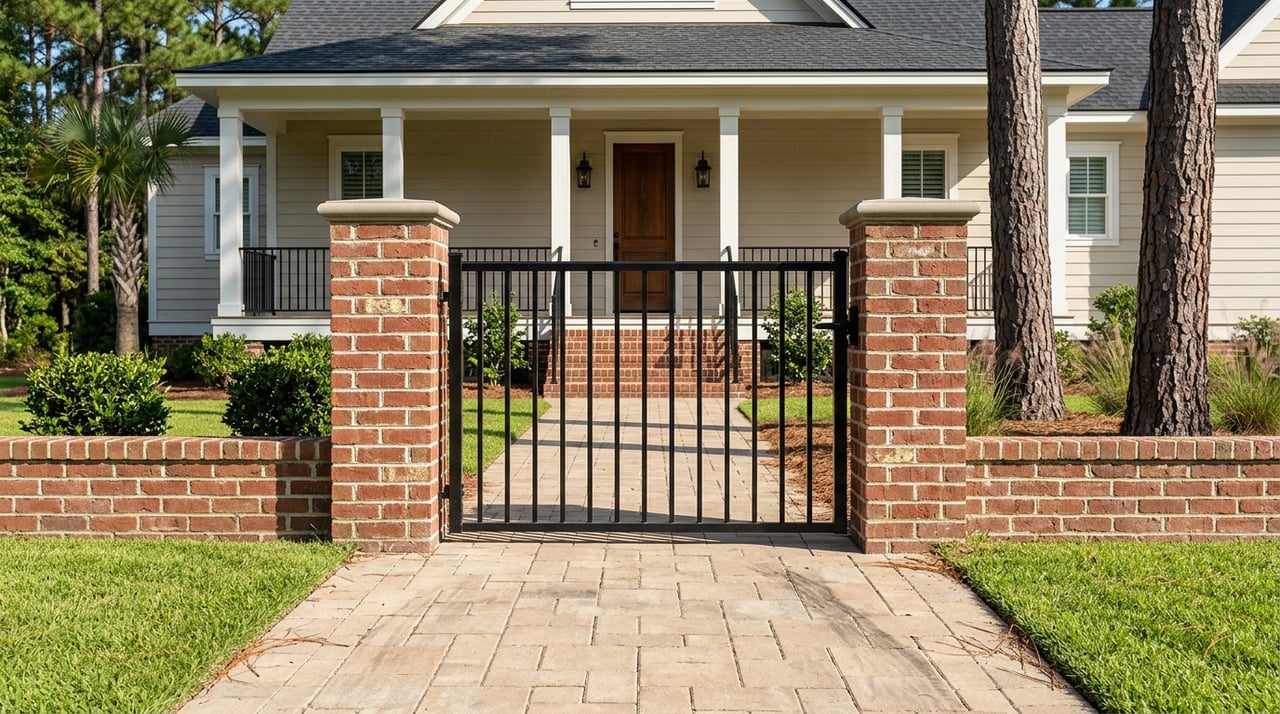
Trying to make sense of Litchfield’s beach, golf, and gated communities? You’re not alone. Each enclave along the Waccamaw Neck offers a distinct lifestyle, fee structure, and set of amenities that can either simplify your days or add costs you didn’t plan for. In this guide, you’ll learn how the main community types compare, what to expect in HOA and club dues, and what to verify before you buy. Let’s dive in.
Litchfield location and lifestyle context
Litchfield Beach sits in Georgetown County on the Waccamaw Neck, a slim peninsula between the Atlantic and the Waccamaw River. It’s part of the Pawleys Island and Litchfield area in ZIP 29585, close to Brookgreen Gardens and Huntington Beach State Park, two of the region’s most visited outdoor landmarks. You can explore the area’s background and geography in the overview for Litchfield Beach, South Carolina.
You’ll find a quieter pace than Myrtle Beach, which is typically a 20 to 40 minute drive north depending on traffic. Charleston is a practical day trip, while everyday shopping and services cluster along US‑17. If you prefer a laid‑back ocean setting with nearby dining and simple resort comforts, the Litchfield Inn and surrounding beaches help set the tone for the area.
Beach and resort enclaves
What they are
These are gated oceanfront or dune‑front communities with a mix of mid‑rise condos, oceanview villas, townhomes, and raised single‑family beach homes. Litchfield By The Sea is the best‑known example. The design focus is private beach access and resort living with on‑site conveniences.
Amenities to expect
Typical features include private beach parking and a beach clubhouse, oceanfront sundecks and showers, indoor and outdoor pools, fitness rooms, tennis or pickleball courts, and nature paths along lakes and marsh views. Some buildings offer on‑site coffee or casual dining so you can keep your car parked more often.
Housing and costs
You’ll see a broad range of condo and villa sizes, from compact one‑bedroom options to larger luxury oceanfront residences. Published examples in recent listings for Litchfield By The Sea show HOA dues commonly in the several‑hundred to low‑four‑figures per month range, roughly around $500 to $1,200 monthly depending on the building and amenities. Single‑family oceanfront homes typically carry higher overall costs and are often elevated to satisfy coastal building and flood requirements.
Ownership and use
- HOAs are usually higher in resort communities, but they reduce day‑to‑day maintenance by covering exterior care, amenities, security, and portions of insurance for common areas.
- Many condo and villa associations allow short‑term rentals. Rules vary by building, so confirm the Covenants, Conditions and Restrictions and budget for local accommodations taxes if you plan to host guests.
- In South Carolina, the beach seaward of the mean high‑water line is public trust land. Communities can control their parking, beach clubs, and owner facilities, but the shoreline itself remains public under state law. For a primer on access and the public trust, review this South Carolina beach access summary.
Buyer fit
This is a strong match if you want low‑maintenance, amenity‑rich living, a second home by the ocean, or an investment property that aligns with permitted short‑term rental rules.
Golf‑course neighborhoods
What they are
These communities center on private or semi‑private golf courses and clubhouses. Options range from classic neighborhood course settings like Litchfield Country Club to larger master‑planned environments such as Willbrook, Tradition, and The Reserve. For an area overview, start with Litchfield Golf & Country Club. You’ll also find course details for nearby clubs like Tradition Golf Club.
Amenities to expect
Expect clubhouse dining and social events, pro shops and practice areas, neighborhood pools and tennis in select communities, and a high share of homes with fairway or water vistas. In some master plans, connector paths or golf‑cart routes link to separate beach club areas.
Homes and dues
Architecture ranges from Lowcountry and plantation‑inspired homes to brick ranches, patio homes, and custom estates. Pricing varies widely with lot size, course frontage, and finishes. Fee structures also differ. Some neighborhoods carry an HOA for shared landscaping, security, and amenities, plus separate, optional club memberships. Others require club membership with initiation and monthly dues in addition to any HOA assessment. Always request the current membership categories and fee schedule from the club.
Ownership notes
Separate HOA dues from club initiation and monthly charges as you budget. Club costs can be significant and are subject to change. A membership may be optional in one neighborhood and mandatory in another, which materially changes your long‑term expenses. You can review general club context at Litchfield Golf & Country Club as a starting point for questions to ask.
Buyer fit
Choose a golf neighborhood if you want daily course access, a clubhouse social scene, and a classic single‑family home on a larger lot. If you prefer fewer HOA constraints, focus on neighborhoods where club membership is optional and community governance is lighter.
Gated mainland communities
What they are
Gated master‑planned neighborhoods on the inland side of the Waccamaw Neck often highlight marina access, deep‑water boating, and family‑friendly amenities. Heritage Plantation and The Reserve are well‑known examples. These communities appeal to boaters and owners who want more yard space while staying connected to the coast.
Amenities to expect
Common features include deep‑water marinas or private slips, clubhouse dining, community pools and fitness centers, clay tennis courts, playgrounds, and options for boat storage or drydock. Larger home sites and established landscaping add to the residential feel.
Homes and dues
You’ll see a mix of custom estate lots and more maintenance‑conscious homes. HOA dues typically cover marina or shoreline care, common‑area landscaping, security, and clubhouse operations. If a boat slip is essential, verify dock permits, waterfront setbacks, and HOA policies during your first round of due diligence.
Buyer fit
This path suits full‑time or long‑term residents who want gated security, boating convenience, and neighborhood services without oceanfront maintenance variables.
Ownership due diligence checklist
Before you shortlist communities, confirm these items to protect your budget and timeline.
- HOA coverage and assessments
- Ask for the HOA’s budget, any recent reserve study, common‑area insurance details, and collection or late‑fee policies. Condo‑resort HOAs often run higher monthly, while single‑family neighborhoods commonly bill quarterly or annually.
- Club membership requirements
- Clarify whether golf, dining, pools, or marinas require separate membership, if there are waiting lists, and whether any capital assessments or transfer fees apply. Membership models vary by community and can change year to year.
- Rentals and accommodations tax
- Verify if short‑term rentals are allowed, limited, or prohibited, and ask about registration and local accommodations taxes for Georgetown County. Use the county’s Treasurer resources to understand how local taxes apply to your situation.
- Flood risk and insurance
- Check the FEMA Flood Map for the property and request an elevation certificate if available. ZIP‑level reporting shows 29585 has broad exposure to surge and inland flooding, with elevated average NFIP premiums in higher‑risk zones. This news summary referencing FEMA data outlines why flood due diligence matters here.
- Beach access and parking
- South Carolina’s public trust doctrine treats lands seaward of the mean high‑water line as public, but private communities control parking, beach clubs, and owner decks. Confirm owner and guest parking counts at beach facilities and any seasonal restrictions. Review the state beach access overview for context.
- Utilities, sewer, and stormwater
- Determine if the property uses public water and sewer or a septic system, and ask for recent utility statements. Utility arrangements affect monthly costs and renovation options.
- Property taxes and special districts
- Georgetown County’s tax structure, millage, and any special district assessments will impact your annual holding costs. Start with the county Treasurer’s office for estimates and billing schedules.
- Coastal setbacks and rebuild rules
- Oceanfront and near‑shore properties are subject to state setback programs and local management plans. Before you plan additions or a rebuild, review the state’s coastal guidance in the Beach Management Plan excerpts.
Shortlist by lifestyle
- Low‑maintenance oceanfront with rental potential: Litchfield By The Sea offers gated resort living with a beach club, pools, courts, and a spectrum of condos and villas.
- Historic Lowcountry setting with private club features: Litchfield Plantation presents a heritage backdrop with owner‑focused amenities; see an overview via this inn directory entry.
- Classic neighborhood golf with optional membership: Litchfield Country Club provides course‑adjacent living and a traditional neighborhood feel.
- Gated golf with easy beach access: Willbrook Plantation and Tradition balance fairway views, pools and clubhouses, and short golf‑cart routes to nearby beach club areas. For course context, explore Tradition Golf Club.
- Marina‑centric gated living for boaters: Heritage Plantation or The Reserve deliver deep‑water access, docks, and family‑friendly amenities on the Waccamaw River side.
How to compare communities in person
Use this quick field checklist when you tour:
- Visit beach facilities in peak and off‑season to gauge crowding, parking, and ease of access.
- Ask each HOA for its budget, reserve update, recent or pending special assessments, and the current rental policy.
- Request club membership categories, initiation, and sample monthly dues for golf or marina facilities.
- Ask the seller or HOA for an elevation certificate and insurance quotes, including flood coverage in the property’s FEMA zone.
- Confirm guest parking rules and enforcement in resort areas and at beach access points.
If you want an experienced sounding board as you compare options, we’re here to help you weigh the tradeoffs in fees, access, and long‑term upkeep.
Ready to explore the right Litchfield community for your lifestyle? Connect with Mariah Johnson & Hampton Roberts for a personalized plan, private showings, and steady guidance from trusted local experts.
FAQs
What makes Litchfield different from Myrtle Beach?
- Litchfield typically offers a quieter coastal pace on the Waccamaw Neck with easy access to beaches, golf, and nature preserves, while Myrtle Beach provides a busier resort environment a short drive north.
How do resort HOA dues compare to golf communities?
- Resort condos often carry higher monthly HOAs that cover exterior care and amenities, while golf neighborhoods may split costs between an HOA and separate, sometimes optional, club dues.
Are short‑term rentals allowed in Litchfield communities?
- Many resort condos allow them, but rules vary by building and HOA; verify the association’s rental policy and budget for Georgetown County accommodations taxes.
Is the beach private in gated oceanfront enclaves?
- Communities can control parking and owner facilities, but South Carolina treats the shoreline seaward of the mean high‑water line as public trust land.
What flood due diligence should I complete before buying?
- Check the FEMA map and any elevation certificate, price flood insurance in the property’s zone, and review local coastal setback guidance to understand rebuild limitations.