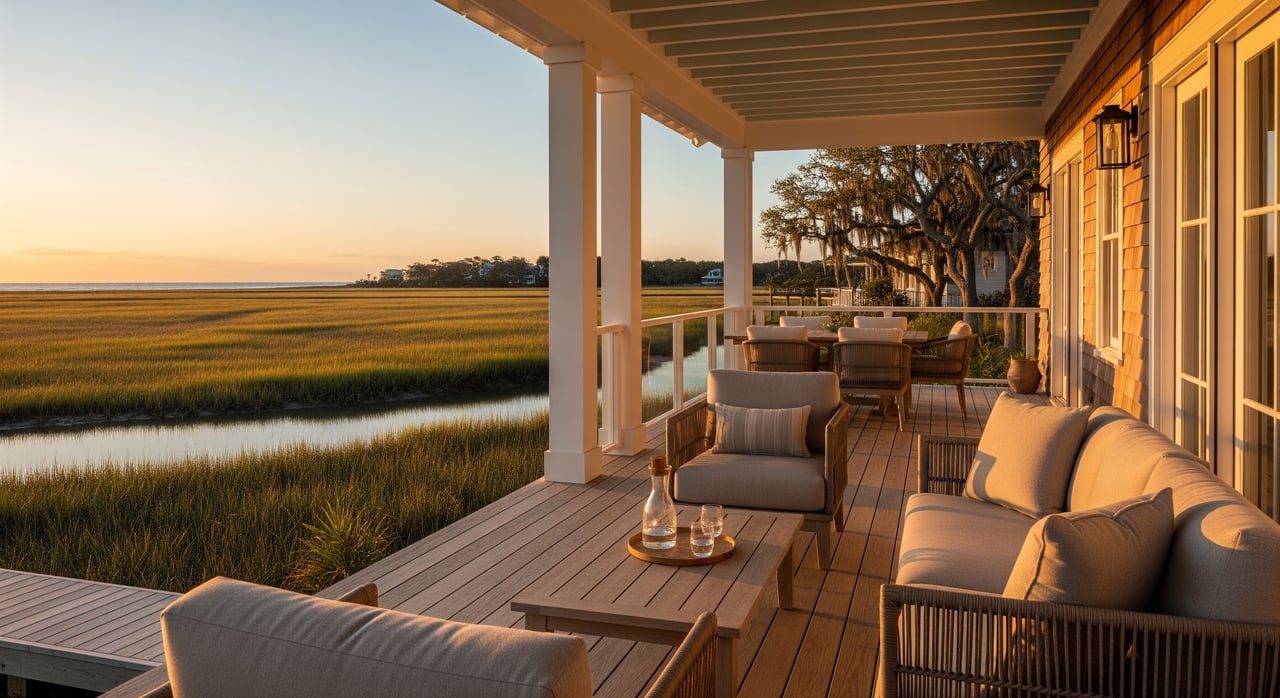
What if your second home gave you two coastal moods in one place? In Murrells Inlet and Garden City, you can watch the sun rise over the ocean and set over quiet marshes, all within a short drive. If you’re weighing a second home here, you likely want real-world detail on seasons, routines, boating, access, and ownership basics. This guide walks you through how life actually feels across the year so you can picture your days with clarity. Let’s dive in.
Murrells Inlet vs. Garden City: Two coastal moods
Murrells Inlet is a historic fishing village wrapped around tidal creeks and marsh. The MarshWalk anchors evenings with seafood and live music, and many homes are oriented to wide marsh views. You’ll notice a strong boating culture, smaller boutique spots, and a calmer rhythm, especially away from the waterfront.
Garden City is classic Grand Strand beach. The long public pier, continuous sand, and a mix of oceanfront condos and beach homes set a more surf-and-sun tone. Summer draws a family crowd, while off-season brings a quieter, local feel.
In Murrells Inlet, second homes range from marshfront cottages and creekside properties to homes in gated golf communities and townhomes near the waterfront. In Garden City, you’ll see oceanfront and near-ocean condos, mid-rise buildings, and single-family beach houses, many with rental history. The choice comes down to what you want outside your door: serene marsh life or immediate sand and surf.
What your weeks feel like
Weekend routines
Mornings often start with a beach walk or surf check in Garden City, or a peaceful kayak or fishing session in the marsh in Murrells Inlet. Weekends might include a stop at local coffee spots or a small farmers’ market. Afternoons tend to be beach time, a pool break, or an inshore boating trip. If you golf, nearby courses are part of the mix.
Evenings lean into seafood and sunsets. In Murrells Inlet, you can catch a golden sky over the marsh and live music drifting along the MarshWalk. In Garden City, families gather for early dinners and head to the pier as dusk settles.
Extended stays
If you come for a few weeks, the pace softens. You’ll stock the pantry, line up service appointments, and explore nearby towns like Pawleys Island, Myrtle Beach, or Conway. Many owners build relationships with local property managers, boat mechanics, and restaurant staff. It starts to feel like your own small network.
Shoulder and off-season weekdays
From March to May and September to November, weekdays feel close to local life. Beaches and restaurants are easier, and the weather is comfortable. In winter, the area is much quieter, with more limited hours at some seasonal businesses. You’ll enjoy wide, calm beaches and open trails, and you’ll find it easier to book a maintenance crew.
Seasons on the South Strand
High season: Memorial Day to Labor Day
This is the lively stretch. Visitor numbers peak, and restaurants, tours, and rentals run expanded hours. Garden City’s beach and pier bustle on sunny days, and MarshWalk evenings draw crowds. Weekend road and parking congestion increase, especially around holidays.
Boating is at full demand. Inshore trips go out mornings and evenings, with offshore charters available through local operators. Winds and heat build mid-day, so early starts are common.
Shoulder seasons: Spring and fall
These months are favorites for second-home owners. The weather is mild, crowds thin, and fishing and surf can be excellent. Golf is easier to book, and local events add energy without summer lines. Many owners plan longer stays or host family visits during these windows.
Winter rhythm
Winter is quiet and comfortable compared with northern winters. Some seasonal businesses reduce hours or close for part of the season, and evenings on the MarshWalk are low-key. This is a good time for maintenance and small projects. You’re also past hurricane season, which gives you a window to prep for the next year.
Hurricane season readiness
From June to November, with a peak in August and September, you plan for weather. Many owners keep evacuation plans, secure wind and flood coverage as needed, and set up storm-hardening checklists. Some avoid long stays during the peak months or keep contingencies in place.
Boating, beach, and outdoor life
Marsh and inlet boating
Murrells Inlet is the place for shallow-draft boats, backwater scenic runs, and bay fishing. Shrimping and blue crab traditions still shape the vibe. Charters can get you to nearshore and offshore waters when conditions allow. Tidal marsh channels shift, so local knowledge matters. Many owners lean on experienced skippers, modern navigation apps, and charts.
Beach and pier time
Garden City Beach offers wide, sandy public access and an active pier scene. Lifeguard presence and parking rules expand in summer. Surf fishing and pier fishing are popular, and families enjoy evening walks as the sky changes.
Murrells Inlet’s recreation feels more estuarine. You’ll kayak, paddleboard, and birdwatch. If you want bigger stretches of ocean beach, you’ll often drive a few minutes to Garden City or Surfside Beach.
Golf and nature
You have multiple golf options within the wider Grand Strand and Pawleys corridor. Off the course, you can bike neighborhood loops, walk marsh paths, and watch seasonal bird life. Surfing and paddle sports are part of the mix when conditions line up near the Garden City Pier.
Getting here and getting around
Myrtle Beach International Airport is the closest major airport and a common choice for second-home owners. Drive time to Murrells Inlet or Garden City is typically under an hour, depending on traffic. Charleston and Wilmington airports are alternatives if they work better for your home base.
By car, US-17 and other coastal routes connect the area to regional hubs. Charlotte and Columbia are multi-hour drives, and weekend summer traffic can add time. You’ll likely want a car for daily needs, beach access, and marina runs. Ride services are available in more developed areas, but availability varies off-season and late at night.
Ownership basics: insurance, taxes, rentals, upkeep
Insurance and risk
Coastal homes often require wind or hurricane coverage, and many need flood insurance depending on elevation and local flood zones. Construction standards, elevation, and mitigation steps influence premiums and deductibles. Most owners keep a clear hurricane checklist and evacuation plan.
Taxes, HOA, and rentals
South Carolina’s property taxes are relatively moderate overall, but actual taxes and HOA dues vary by community. Short-term rental demand exists along the Grand Strand, especially in Garden City’s condo and beach-home areas. Always verify county and municipal rental rules, licensing, occupancy taxes, and HOA covenants before planning rentals, as regulations can change.
Maintenance and property management
Common costs include utilities, landscaping, pool service, pest control, HVAC servicing, and, for waterfront homes, upkeep on elevated structures or seawalls. Seasonal closures or reduced staffing at some vendors in winter can affect timing, so owners often plan projects in spring and fall. Many second-home owners choose local property managers for seasonal maintenance, emergency response, and turnover if they rent.
Daily conveniences and services
You’ll find grocery stores, hardware stores, marine suppliers, and home-service businesses nearby. Specialty items are available in larger centers a short drive away. Healthcare access includes regional hospitals, urgent care clinics, and primary-care offices within typical driving times ranging from about 15 to 45 minutes depending on your exact location. If you plan extended stays with children, public schools are available for full-time residents; most second-home buyers focus on proximity to parks, beaches, and family-friendly amenities.
Is a second home here a fit for you?
If you love both marsh calm and ocean energy, this stretch of the South Strand offers a rare pairing. In high season, you can lean into lively nights and full beach days. In shoulder months and winter, you get an easy, unhurried routine with open docks and quiet paths. Ownership here works best if you want a simple drive or flight, a car for local errands, and a plan for coastal weather.
If you’re exploring options, local, hands-on guidance helps you match neighborhood vibe, flood-zone and insurance needs, and potential rental goals with the right property type. For curated advice and a calm, step-by-step process, connect with Mariah Johnson & Hampton Roberts. Request a personalized consultation and start shaping a second-home plan that fits your lifestyle.
FAQs
What is day-to-day life like for second-home owners in Murrells Inlet?
- Expect mornings on the marsh for kayaking or fishing, relaxed afternoons, and seafood-and-music evenings along the MarshWalk, with a quieter feel outside peak season.
How does Garden City feel in summer compared to winter?
- Summer is lively with full beaches and a busy pier; winter is calmer with easier parking, quieter restaurants, and more space to walk the shoreline.
What are the best months to visit for fewer crowds?
- Spring and fall offer mild weather, lighter crowds, good fishing and surf, and easier tee times, making them popular for longer second-home stays.
How do boating patterns differ between Murrells Inlet and Garden City?
- Murrells Inlet centers on inshore, shallow-draft boating and bay fishing, while Garden City leans toward surf and pier fishing, with ocean launches via nearby ramps.
Do I need a car for a second home here?
- Yes. You’ll want a car to reach beaches, marinas, grocery stores, and nearby towns. Public transit is limited, and ride services vary by season and time of day.
What should I know about insurance for coastal second homes?
- Many properties need wind or hurricane coverage and often flood insurance. Elevation, construction, and mitigation steps affect premiums and deductibles.
Can I rent my second home short-term?
- Short-term rental demand exists, especially near the beach. Confirm county and municipal rules, licensing, occupancy taxes, and HOA covenants before renting.